
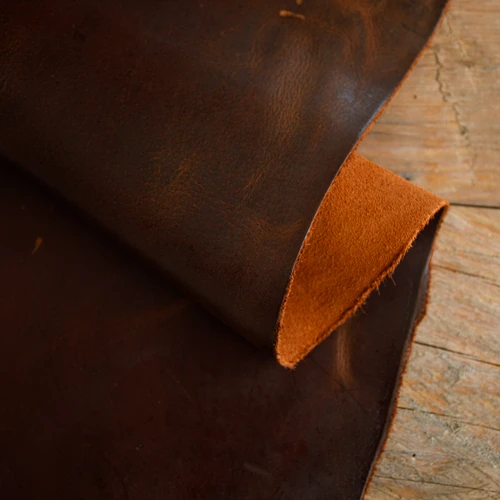
Rustic Canyon Crazy Horse Leather

Full-Grain Crazy Horse Leather

Crimson Ember Crazy Horse Pull-up Leather

Emerald Green Crazy Horse Leather
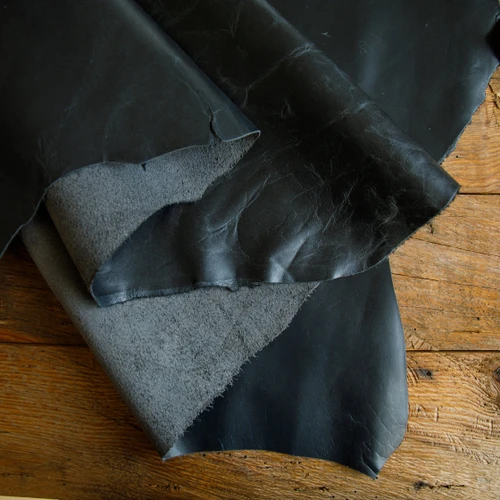
Hight Quality Black Crazy Horse Leather
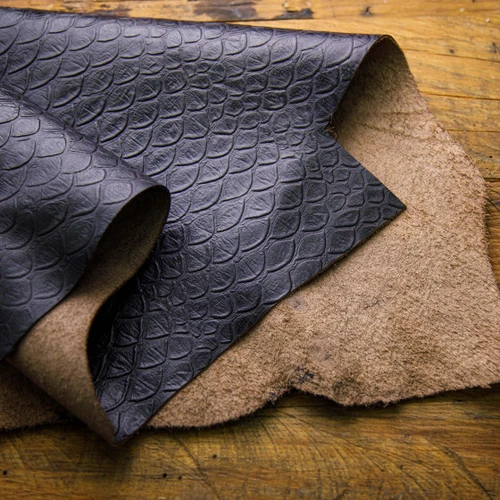
Black Fish Embossed Cowhide Leather

Metallic Snake Embossed Leather Hide

Premium Suede Cowhide Leather

Veg-Tanned Pebbled Cowhide Leather

Camo Printed Cowhide Crust Leather

Metallic Crocodile Embossed Cowhides
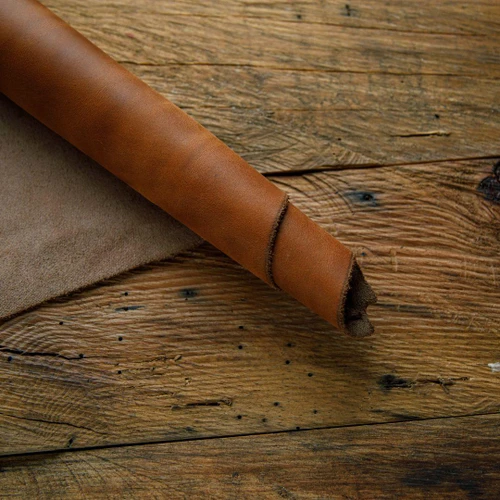
Crazy Horse Oil Tanned Cowhides
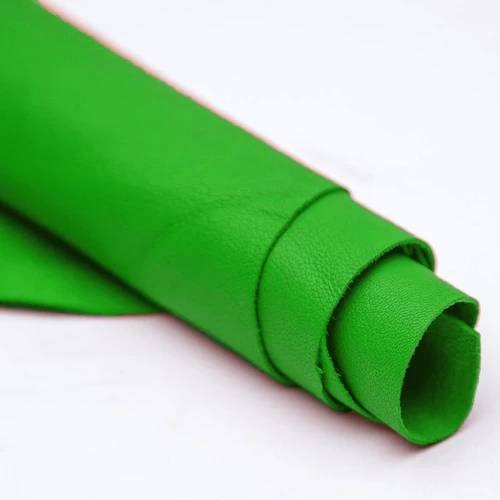
Oil Tanned Matte Finish Bovine Leather

Oil Tan Semi Aniline Bovine Leather

Soft Oil Tanned Aniline Calf Skin Leather

Veg-Tanned Matte Finishing Cowhides
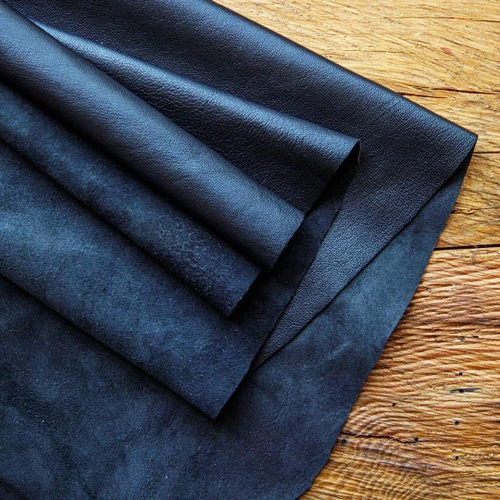
Veg-Tanned High Shine Cowhides

Vegetable Tanned Semi Aniline Cowhides

Matte Finish Chrome-Tanned Cowhides

High Shine Chrome Tanned Cowhides
Cowhide Leather Hides
Cowhide leather is made from cattle hide and is widely used because of its durability, natural grain, and versatility. Depending on how it is tanned and finished, cowhide can range from firm and structured to soft and flexible, making it suitable for handbags, belts, footwear, furniture, upholstery, and leathercraft projects.
At Leather Hub, cowhide leather hides are sourced from multiple tanning methods through various finishes & textures & styles to give buyers the range of cushions to choose leather that can help them build for a unique project rather than merely selecting by looks.
What Is Cowhide Leather?
Cowhide leather is genuine leather made from cattle hide. In the leather industry, it is also commonly referred to as bovine leather, a broader term used for leather sourced from cattle.
The characteristics of cowhide can vary depending on the part of the hide, grain, thickness, tanning method, and surface finish. These factors influence its strength, flexibility, texture, appearance, and suitability for different applications.
Natural variations are also part of genuine cowhide. Differences in grain patterns, markings, texture and colour can occur from one hide to another, giving each piece its own character.
Why Choose Cowhide Leather?
Cowhide leather is popular for its combination of durability, flexibility, and versatility. Its strong structure allows it to handle regular use, making it suitable for products such as bags, belts, boots, upholstery, and other leather goods.
Another advantage is its versatility in feel and appearance. Depending on the tanning method, thickness, and surface finish, cowhide can be soft and supple or firm and structured. It can also have a smooth, textured, matte, or high-shine finish, giving manufacturers and artisans more options for different projects.
Cowhide hides also provide a relatively large usable surface area, which can be useful when making larger products or projects that require broader leather panels. This makes cowhide a practical choice for both individual leatherworkers and manufacturers working across different applications.
Types of Cowhide Leather Available
Vegetable-Tanned Cowhide
Vegetable-tanned cowhide is processed using natural tannins from plants. This traditional tanning method creates leather with a firmer structure and allows it to develop a rich patina over time.
It is commonly preferred by leatherworkers for carving, tooling, handmade bags, wallets, belts, and products where aging and character are important.
Chrome-Tanned Cowhide
Chrome tanning is one of the most common modern tanning methods because it creates soft, flexible leather with excellent colour and finish options.
Chrome-tanned cowhide is widely used in commercial leather production, including fashion accessories, upholstery, footwear, and everyday leather goods.
Oil-Tanned Cowhide
Oil-tanned cowhide is known for its soft feel, flexibility, and natural rugged appearance.
The oil treatment gives the leather a unique texture and often creates a worn-in look over time. It is commonly used for bags, boots, wallets, and durable leather products.
Cowhide Suede
Cowhide suede has a soft, brushed surface created from the inner side of the hide.
Compared with smooth-grain cowhide, suede offers a different texture and appearance, making it popular for fashion products, accessories, and decorative applications.
Embossed and Printed Cowhide
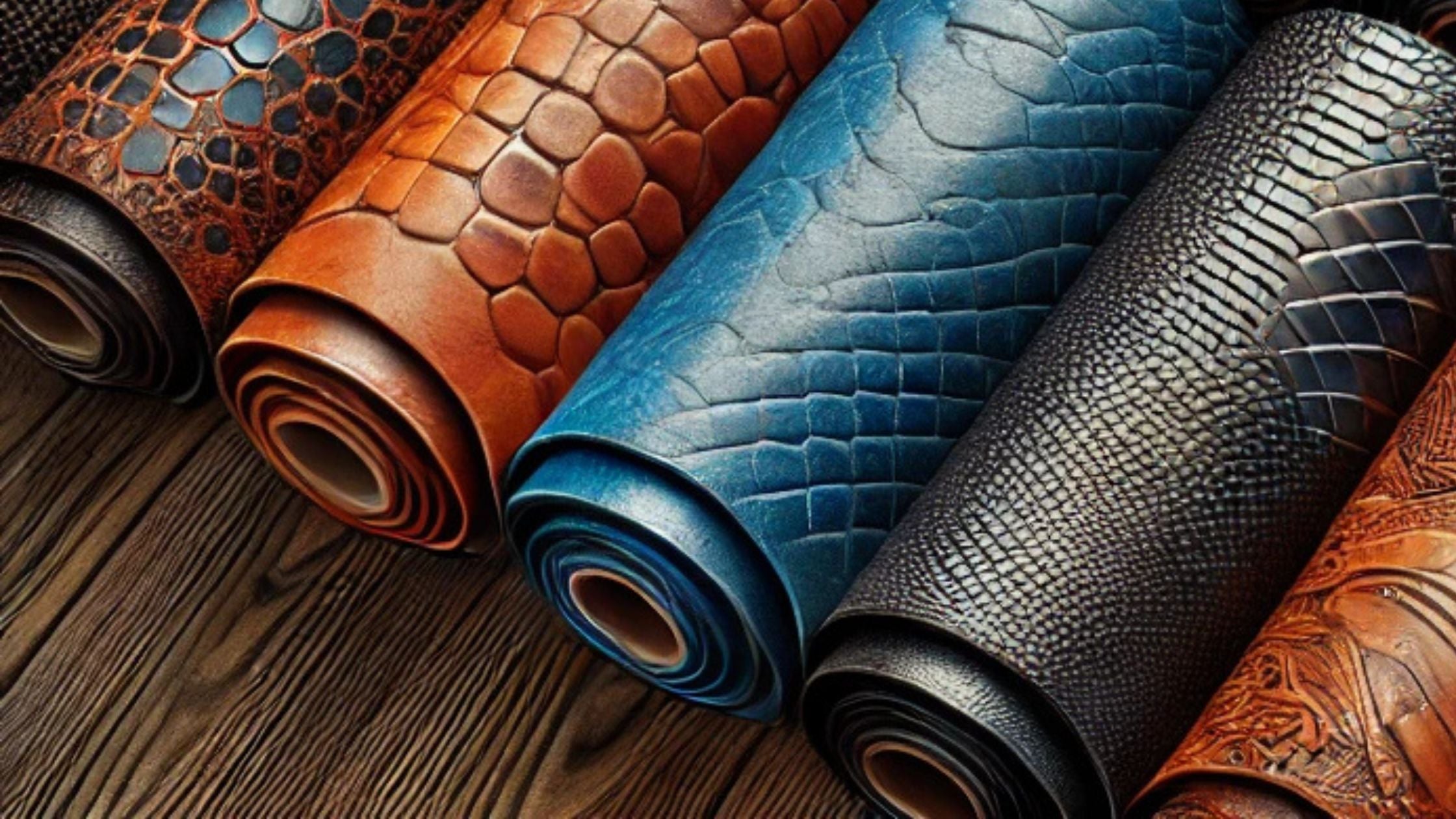
Embossed cowhide uses textured patterns pressed into the leather surface creating designs such as crocodile, snake, or other decorative textures.
Printed cowhide adds visual designs and patterns, including floral, animal, camouflage, and fashion-inspired prints.
These finishes allow designers to achieve distinctive appearances while keeping the strength of the underlying cowhide leather.
Metallic and High-Shine Cowhide
Metallic cowhide and high-shine finishes are designed for projects where appearance is a major consideration.
They are often selected for fashion accessories, statement leather goods, and decorative applications where a bold visual effect is required.
Cowhide Leather by Finish
The finish of cowhide affects how the leather looks, feels, and performs.
-
Aniline cowhide: Maintains a natural appearance with visible grain character.
-
Semi-aniline cowhide: Offers a balance between natural texture and added protection.
-
Matte finish: Provides a subtle, natural appearance.
-
High-shine finish: Creates a polished and reflective surface.
-
Metallic finish: Adds decorative colour effects.
-
Embossed finish: Creates patterns and textures.
Choosing the right finish depends on the final product and the desired appearance.
What Can You Make With Cowhide Leather?
Cowhide leather is used across many industries because different thicknesses and finishes suit different purposes.
Common applications include:
-
Bags and handbags
-
Belts and wallets
-
Shoes and boots
-
Furniture and upholstery
-
Jackets and fashion accessories
-
Leathercraft and DIY projects
-
Automotive interiors
The best cowhide depends on the project. A structured handbag may require firmer leather, while a jacket or soft accessory may need more flexible material.
How to Choose the Right Cowhide Leather
Choosing cowhide starts with understanding your project.
Consider:
Project purpose:
Decide whether you need leather for bags, belts, furniture, footwear, or crafts.
Thickness:
Thicker leather is not always better. The ideal thickness depends on structure, flexibility, stitching requirements, and final use.
Tanning method:
Vegetable tanning is often preferred for structured and traditional leatherwork. Chrome tanning works well where softness and flexibility are important. Oil tanning provides a softer, rugged character.
Finish and appearance:
Choose between natural grain, matte, suede, embossed, printed, or metallic finishes depending on the desired result.
Why Choose a Leather Hub for Cowhide Leather Hides?
Leather Hub provides cowhide leather options for both retail buyers and wholesale customers.
With different tanning methods, finishes, colours, and textures available, buyers can select leather according to their manufacturing needs, crafting projects, or design requirements.
Leather Hub also supports customers looking for specific leather specifications and sourcing requirements.
Frequently Asked Questions About Cowhide Leather
What is cowhide leather made from?
Cowhide leather is made from the natural hide of cattle after processing and tanning.
Is cowhide leather genuine leather?
Yes. Cowhide is genuine animal leather produced from cattle hide.
What is the difference between cowhide and bovine leather?
Bovine leather is a broader term that includes leather made from cattle, while cowhide specifically refers to leather from cows.
Which is better, vegetable-tanned or chrome-tanned cowhide?
Neither is universally better. The right choice depends on the project, required flexibility, appearance, and durability.
What is cowhide leather commonly used for?
Cowhide is commonly used for bags, belts, footwear, upholstery, accessories, and leathercraft projects.
-
Relevant Collections
FREQUENTLY ASKED QUESTION
- Choosing a selection results in a full page refresh.