
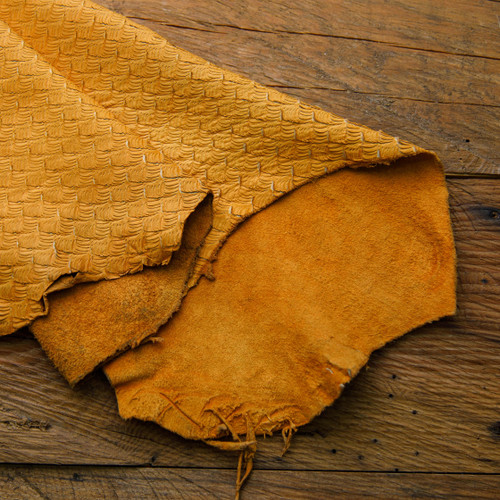
Mustard 3D Cut Plate Fish Embossed Hide

Silver Foil Laminated Black Leather Hide
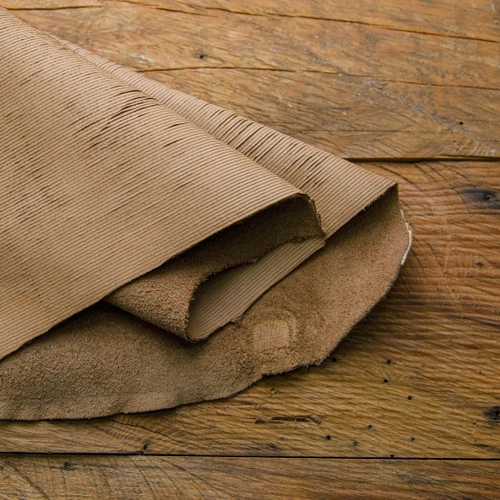
Brown Vertical Cut Plate Leather Hide
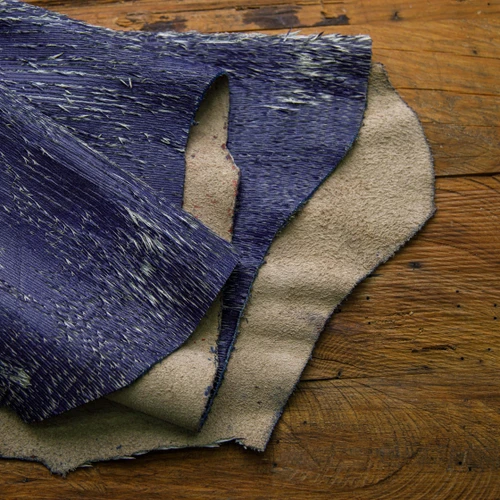
Dark Blue 3D Grass Cut Leather Hide

Red 3D Grass Cut Plate Buffalo Leather Hide
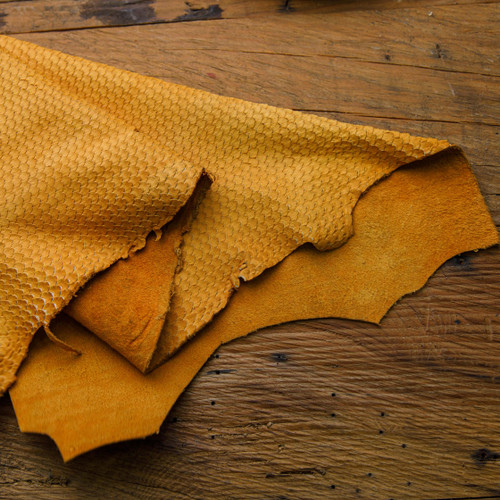
Mustard Color Fish Cut Embossed Skin

Maroon Lizard Plate Embossed Leather Hide
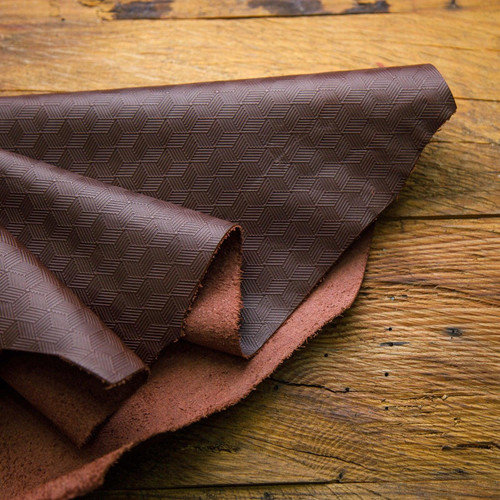
Maroon Geometric Grid Embossed Leather

Wasteland Embossed Planted Leather

Buy Embossed Brown Leather Hides Vintage Weave

Shagreen Embossed Leather: Navy Blue
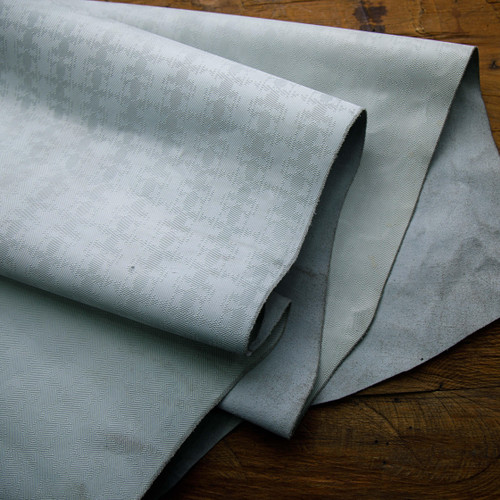
Off-White Straight Retro Embossed Leather

Metallic Retro Embossed Buffalo Leather

Metallic Retro Embossed Cowhide Leather
Build Your Texture Palette With Embossed Leather Hides
A plain surface can leave a design feeling unfinished.
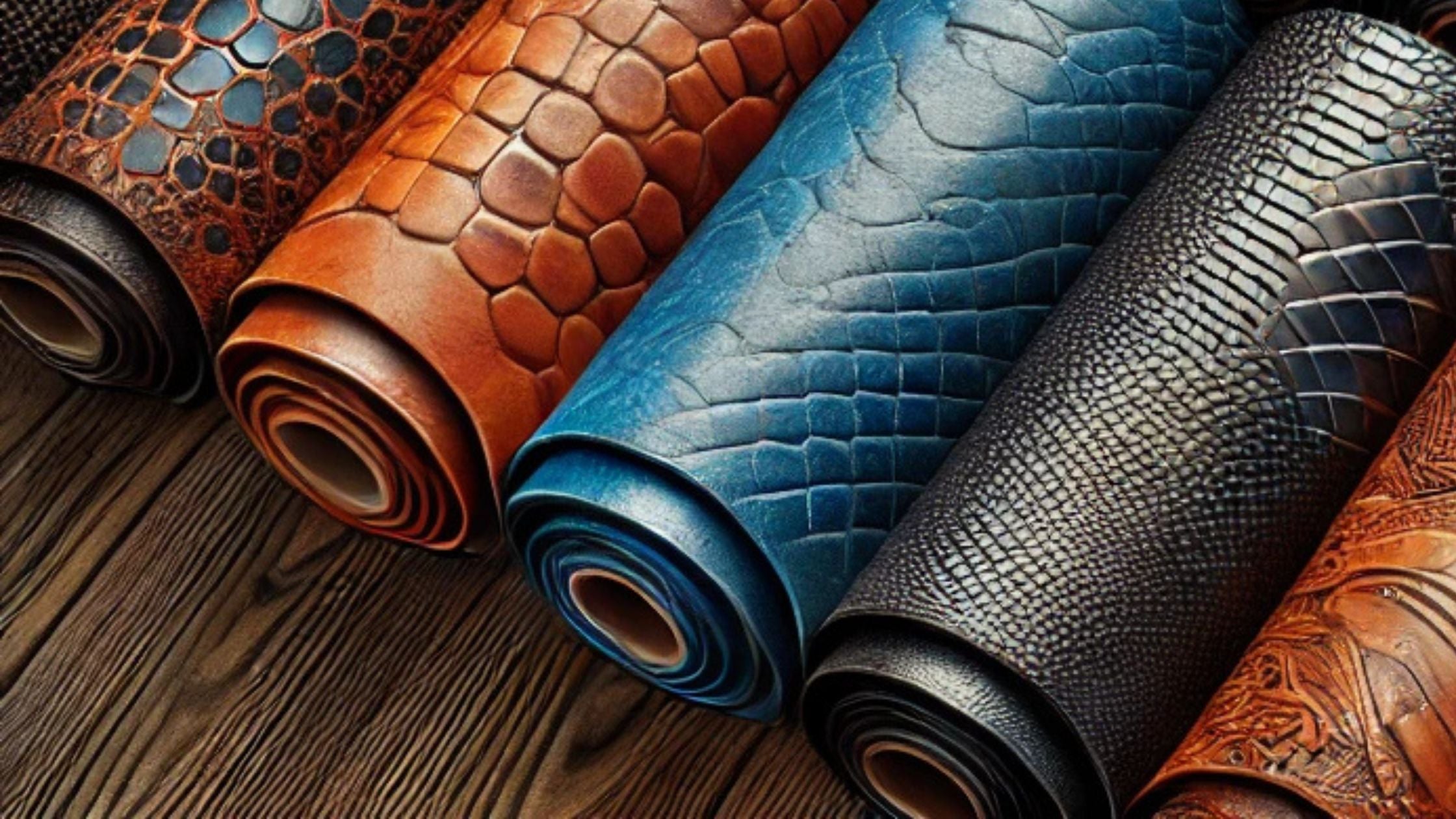
Explore embossed leather hides at Leather Hub for decorative textures that add another dimension to your material choices. Start with the pattern family that suits your idea, then narrow the options by finish and specification.
Navigate by texture family
Use the visible surface as your first browsing decision. Different patterns can change the character of the same basic panel shape.
|
Texture direction |
Where to start |
Design consideration |
|
Broader reptile-style tiles |
Decide how the tile layout fits the visible panel. |
|
|
Snake-scale detail |
Consider scale direction across smaller components. |
|
|
Fish-scale relief |
Check how the repeating texture sits around joins. |
The collection also includes geometric, retro, and other decorative surface options. Choose a texture for its role in the finished design.
Does an embossed pattern identify the animal species?
No. Embossing describes a pattern pressed into the surface, rather than the animal that supplied the leather.
A fish, snake, or crocodile-style texture can appear on another animal hide. Identify the actual base material from the selected specification, then assess its finish, thickness, and suitability for your project.
Treat finish and base leather as separate choices
Our mustard fish-pattern product identifies vegetable-tanned buffalo leather with a 3D cut-plate embossed texture. Its description specifies 0.7–1.2 mm thickness.
That specification applies to this product. Other embossed leather hides can use different tanning processes, colors, finishes, and handling properties.
A metallic or foil effect adds another surface detail to assess. Include any later folding, gluing, or stitching when comparing the supplied finish.
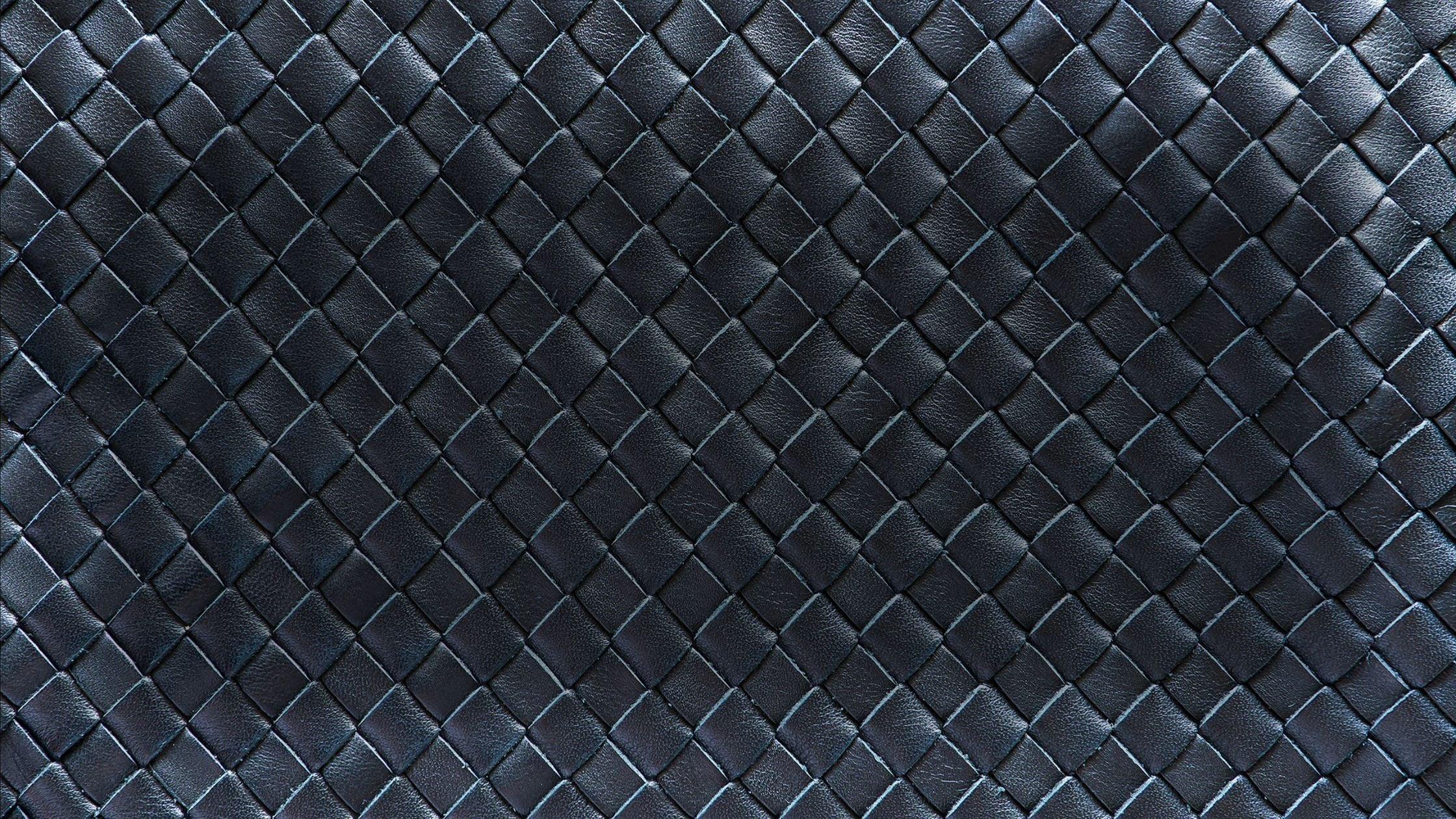
Some weave effects also come from embossing a single leather surface. Explore woven leather when comparing that appearance with products described as handmade basket weave.
Does deeper embossing mean thicker leather?
No. A more pronounced embossed pattern does not, by itself, establish the overall thickness of a hide.
Surface relief and material thickness describe different details. Read the stated thickness and ask how the selected leather handles at folds or seams. Use the actual specification to plan layered components.
Build a specification around your selected texture
Once a pattern catches your attention, record the details that will affect construction:
- The named animal hide and tanning process.
- The color, coating, and surface finish.
- The stated thickness and softness or firmness.
- The usable dimensions needed for your largest piece.
- The pattern direction and matching requirements.
Review these details alongside your sketch or cutting pattern. A clear brief helps connect the surface you like with material you can use.
Choose a focal panel, a smaller accent, or a coordinated set of components. Let the texture serve a clear purpose.
For production quantities, explore wholesale leather and discuss the required pattern, finish, dimensions, and quantity.
Confirm availability and delivery arrangements for your location. Browse embossed leather hides with both the surface and the finished item in mind.
-
Relevant Collections
FREQUENTLY ASKED QUESTION
- Choosing a selection results in a full page refresh.