

Emerald Green Goat Suede Leather
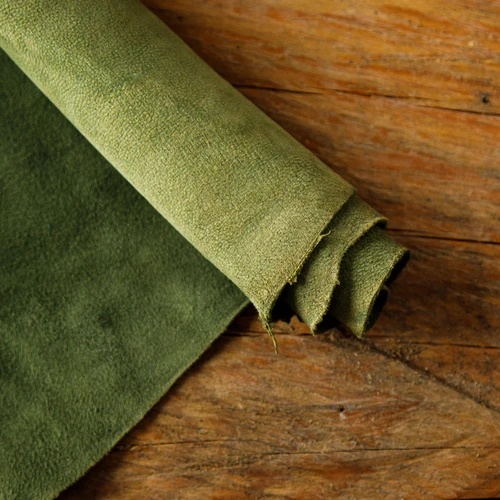
Premium Olive Green Goat Suede Leather

Chrome-Tanned Matte Finish Goatskin

Zebra Print Chrome tanned Crust Goatskin

Soft Vegetable Semi Aniline Goatskins

Veg-Tanned Matte Finishing Goat skins

High Shine Veg Tan Goat skin Leather

Oil Tanned Aniline Goat skin Leather
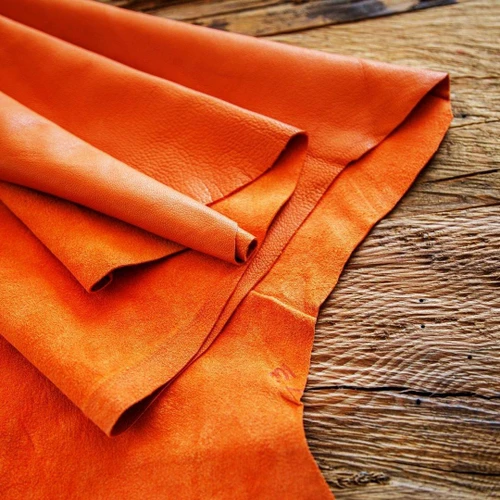
Chrome Tan High Shine Goatskin Leather
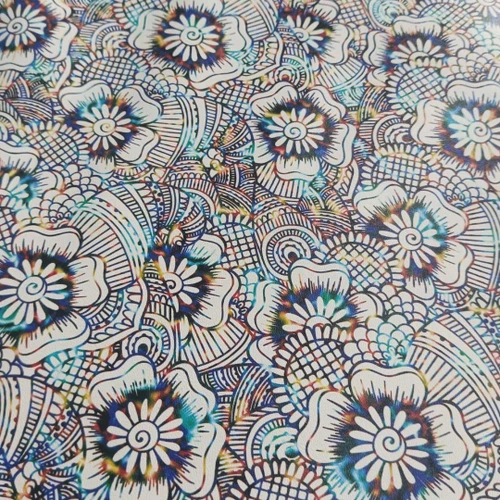
Flower Printed Goat Skin

Panther Printed Goat Skin Leather
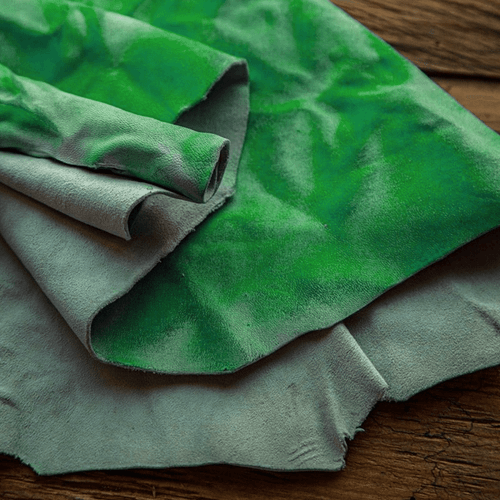
Tie Dye Chrome Tan Crust Goatskins

Nappa Finishing Goatskin Leather Hides
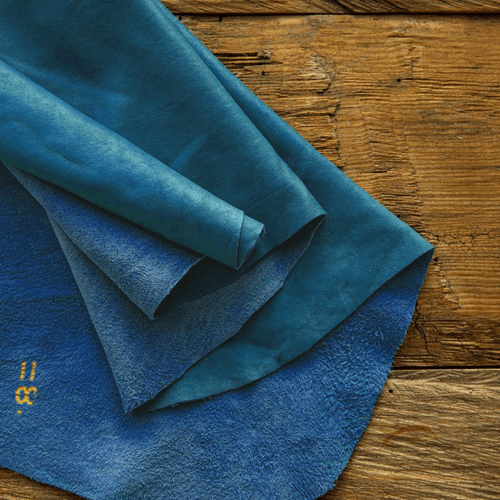
Oil Tan Semi Aniline Goatskin Leather

Camo Printed Goatskin Leather

Veg-Tan Aniline Goat Skin Leather
Goatskin leather is one of the most refined natural leathers available — lighter than cowhide, finer-grained than buffalo, and uniquely suited to applications that demand both softness and durability in the same material. Leather made from goatskin has a naturally pebbled grain, a subtle sheen, and an elasticity that allows it to conform to shapes without losing its structure. This is why goatskin is the default leather for gloves, fine bookbinding, luxury wallets, and the linings of high-end bags — and why it has been prized by artisans for centuries.
At Leather Hub, our goatskin collection is sourced and manufactured in Pakistan, where skilled craftspeople produce premium goat hides across the full range of finishes — vegetable-tanned goat suede, chrome-tanned aniline hides, high-shine veg-tan, oil-tanned matte, and crust leather available for custom dyeing. Whether you are a professional designer sourcing wholesale goat leather or a craftsperson picking up a single skin for a bespoke project, you'll find genuine goat hides here at honest wholesale and retail prices.
Characteristics of Goatskin Leather — What Makes It Unique
Goatskin is not simply a smaller, cheaper alternative to cowhide. It has a distinct set of physical properties that make it the preferred material for specific applications where cowhide and buffalo leather fall short:
Fine, Pebbled Grain and Natural Sheen
The grain of goatskin is finer and more tightly packed than cowhide — with a distinctive pebbled texture that gives goat leather its instantly recognizable surface character. This natural grain also produces a subtle, built-in sheen that makes goatskin attractive without surface coatings, and which polishes beautifully when finished. Unlike embossed or corrected-grain leathers, the texture in genuine goatskin is structural — it does not wear off over time.
Lightweight with Precise Thickness Range
Goatskin hides are naturally thinner and lighter than cowhide and buffalo — typically ranging from 0.8mm (2 oz.) to 1.4mm (4 oz.) in thickness, and from 0.2 m² (approximately 2 sq. ft.) for kid and baby goat skins up to 0.8 m² (approximately 9 sq. ft.) for full adult hides. This lightweight character is a specific advantage for garment applications, glove-making, lining work, and bookbinding — where the weight of heavier hides would be a liability.
Durability and Natural Water Resistance
Despite its lightness, goatskin is highly durable and naturally water-resistant — more so than most comparably thin leathers. The tight fibre structure of goat hide makes it resistant to tearing and cracking under stress, which is why it has been the leather of choice for functional applications like riding gloves, bookbinding, and shoe uppers for generations. It withstands daily handling exceptionally well without requiring the heavy conditioning regimes that thicker leathers demand.
Elasticity and Shape Retention
Goatskin is notably elastic — it stretches to conform to shapes and recovers well, which is why it works so effectively for fitted gloves, footwear uppers, and garment linings. This elasticity is not the same as looseness or weakness; goat leather under tension maintains its integrity. The combination of stretch and recovery is what allows goatskin gloves to fit like a second skin while lasting years of repeated wear.
Excellent Dyeability — Including Custom Colors
Goatskin in crust state (natural, unfinished) accepts dyes exceptionally well due to its tight grain structure. The hide absorbs dyes evenly, producing vibrant, consistent colour across the entire surface — which is why our goatskin collection carries such a wide colour range, from deep navy and forest green to crimson, burgundy, and golden yellow. For customers with custom color requirements, crust goat leather can be dyed to specification on request.
Goat Suede Leather — Our Most Popular Finish
The majority of our goatskin collection is vegetable-tanned goat suede — and for good reason. Goat suede is produced by splitting or buffing the underside of the hide to create a soft, napped surface with the characteristic suede texture. Because goatskin fibers are naturally finer and more tightly packed than cowhide, goat suede has a much finer nap than cow suede — it is denser, less prone to flattening, and holds color more vibrantly.
Why Goat Suede Over Cow Suede?
Goat suede and cow suede look similar in product photographs but behave differently in use. Goat suede has a finer, tighter nap that wears more evenly and resists pilling better than cow suede. It is also lighter, which makes it the preferred choice for garment applications where cow suede would feel heavy. For small leather goods — wallets, card holders, lining work — goat suede's combination of thinness and surface quality is difficult to match at any price point.
What Is Goat Suede Used For?
Our vegetable-tanned goat suede hides are used across a wide range of applications: garment linings, gloves, shoe uppers and insoles, luxury wallet interiors, bookbinding covers, small leather goods, decorative cushion covers, and fashion accessories. The wide color range in our suede collection — over 20 colors from navy blue to dusty rose — makes it especially popular with fashion designers and small-batch leather goods makers.
Goatskin Leather vs. Cowhide — Choosing the Right Hide
Goatskin and cowhide are both excellent leathers, but they suit different applications. Here is a direct comparison to help you choose:
|
Property |
Goatskin Leather |
Cowhide Leather |
|---|---|---|
|
Thickness |
0.8–1.4mm (lighter) |
1.0–4.0mm+ (heavier range) |
|
Grain character |
Fine, pebbled, naturally lustrous |
Broader grain, varies by grade |
|
Weight |
Lightweight — ideal for garments |
Heavier — better for furniture, bags |
|
Durability |
High for its weight class |
High — more robust for heavy-duty use |
|
Natural water resistance |
Yes — structurally water-resistant |
Moderate — depends on finish |
|
Elasticity |
High — conforms to shape well |
Moderate |
|
Suede quality |
Fine, tight nap — premium suede |
Coarser nap than goat suede |
|
Best for |
Gloves, garments, wallets, linings, bookbinding |
Bags, furniture, belts, footwear, upholstery |
|
Price point |
Comparable to top-grain cowhide |
Wide range depending on grade |
If you are making garments, gloves, fine wallets, shoe linings, or anything that needs to be both lightweight and durable, goatskin is the correct choice. If you are working on heavier furniture, large bags, or belts that will bear significant stress, cowhide is likely the better fit. Both are available at Leather Hub — contact us if you are unsure which suits your specific project.
What Is Goatskin Leather Used For? — Applications by Project
Goatskin's combination of fineness, water resistance, elasticity, and dyeability makes it one of the most versatile leathers for detailed, high-craft applications. Here is where it excels:
-
Gloves — Goatskin is the traditional material for fine dress gloves and riding gloves. Its elasticity allows a close, fitted cut and its durability means the gloves last through heavy use.
-
Garments & Jackets — Goat leather jackets and coats have a natural drape and softness that stiffer leathers cannot replicate. Lighter than cowhide, it moves with the body rather than against it.
-
Luxury Wallets & Small Leather Goods — The fine grain and thinness of goatskin make it ideal for wallets, card holders, key fobs, and passport covers where bulk is the enemy.
-
Handbag Linings — Premium bags are often lined with goat suede for its soft surface, fine grain, and ability to protect the bag's contents without adding significant weight.
-
Shoe Uppers & Insoles — Goatskin's natural water resistance and durability make it a long-standing choice for fine footwear — particularly glove-fit moccasins, loafers, and dress shoes.
-
Bookbinding — The goatskin tradition in bookbinding goes back centuries. Its thin, consistent surface accepts tooling and gold blocking beautifully, and its durability protects volumes for generations.
-
Fashion Accessories — Belts, headbands, watchstraps, and decorative accessories in goat leather benefit from its fine grain and wide colour range — it finishes and polishes better than heavier hides.
-
Craft & Leatherwork Projects — For leatherworkers who need a fine-grained, dyeable, workable hide for intricate work, goatskin is a go-to material. It cuts cleanly and stitches without bulk.
Goatskin Leather Pricing — Is Goat Leather Expensive?
This is one of the most common questions we receive, and it deserves an honest answer: goatskin leather is not the cheapest leather available, but it is also not the most expensive. Here is what actually affects goat leather prices:
What Determines Goat Leather Price?
The price of goat leather hides varies based on three factors: the grade of the hide (full-grain commands a premium over corrected or split), the tanning method (vegetable-tanned takes longer and costs more than chrome-tanned), and the finish (aniline and nappa finishes add cost over standard suede). Our goatskin collection spans a range from accessible chrome-tanned suede hides to premium vegetable-tanned full-grain skins — so there is a price point for most budgets within a single collection.
Is Goat Suede Expensive?
Goat suede sits in the mid-range of leather pricing. It is more expensive than pig suede and bonded leather alternatives, but it is typically priced comparably to or slightly below top-grain cowhide suede of similar quality. The reason goat suede commands a modest premium over cheaper alternatives is simply its quality: the finer nap, tighter fiber structure, and better color retention make it worth the difference for anyone building products that need to last. At Leather Hub, our goat suede pricing reflects our direct-from-manufacturer position in Pakistan — no middleman markup.
Wholesale Goat Leather Pricing for Businesses
Leather Hub supplies goat leather hides at wholesale pricing for businesses, manufacturers, fashion houses, and bulk buyers. Wholesale orders receive competitive per-hide pricing that reflects the direct supply chain from our Pakistan manufacturing facility. Retail buyers — independent craftspeople, hobbyists, and individual consumers — can purchase single hides at fair market rates without minimum order requirements. For wholesale quotes on specific goatskin grades or large volume orders, contact us directly.
How to Care for Goatskin Leather
Cleaning Goat Leather
For day-to-day care, wipe goatskin leather with a soft, clean, dry or very slightly damp cloth to remove surface dust. For spills, blot immediately with a dry cloth — do not rub. For deeper cleaning, use a pH-neutral leather cleaner formulated for fine-grain leathers. Apply sparingly with a soft cloth, work in gentle circular motions, and buff dry. Avoid any cleaning product containing bleach, acetone, alcohol, or strong solvents — goatskin's fine grain is susceptible to drying out and cracking if treated harshly.
Caring for Goat Suede Specifically
Goat suede requires slightly different care than smooth goat leather. Use a dedicated suede brush to lift the nap after use and remove dry surface dirt. For stains, use a suede eraser before attempting any wet cleaning. If goat suede gets wet, blot (do not rub), reshape if necessary, and allow to dry naturally away from heat. Avoid applying smooth leather conditioners to suede — they flatten the nap permanently. A light spray of suede protector applied periodically helps prevent staining.
Conditioning and Storage
Smooth goat leather benefits from a light conditioning every 3–4 months to replenish natural oils — use a conditioner formulated for fine-grain leathers and apply sparingly. Too much conditioner darkens goatskin and can make it tacky. Store goatskin hides flat or rolled loosely — never folded. Keep away from direct sunlight and heat sources. In humid environments, ensure ventilation to prevent mould. For long-term storage, wrap in breathable cotton cloth (not plastic) and store cool and dry.
-
Relevant Collections
FREQUENTLY ASKED QUESTION
- Choosing a selection results in a full page refresh.