
Deerskin leather — also known as buckskin — is one of the most prized leathers in both traditional craftsmanship and modern fashion. It comes from the hide of deer, tanned into a supple, breathable, and remarkably durable material that has been used for thousands of years. Whether you're researching deerskin for leatherworking, evaluating it as a material for garments, or looking to buy premium deer hides, this complete guide covers everything you need to know.
What Is Deerskin Leather?
Deerskin leather is leather made from the tanned hide of deer. It is widely recognized for its exceptional softness, fine grain texture, and flexible feel — qualities that distinguish it from cowhide and most other common leathers.
Deerskin leather goes by several names depending on context:
-
Buckskin — the most common alternative name, traditionally referring to brain-tanned deerskin
-
Deer hide — the raw, untanned skin of a deer
-
Napa deerskin — a soft, chrome-tanned variety often used in gloves
-
Deerhide — used interchangeably with deer hide
If you have ever searched 'what is deer skin called' — buckskin and deer hide are the two most widely used terms.
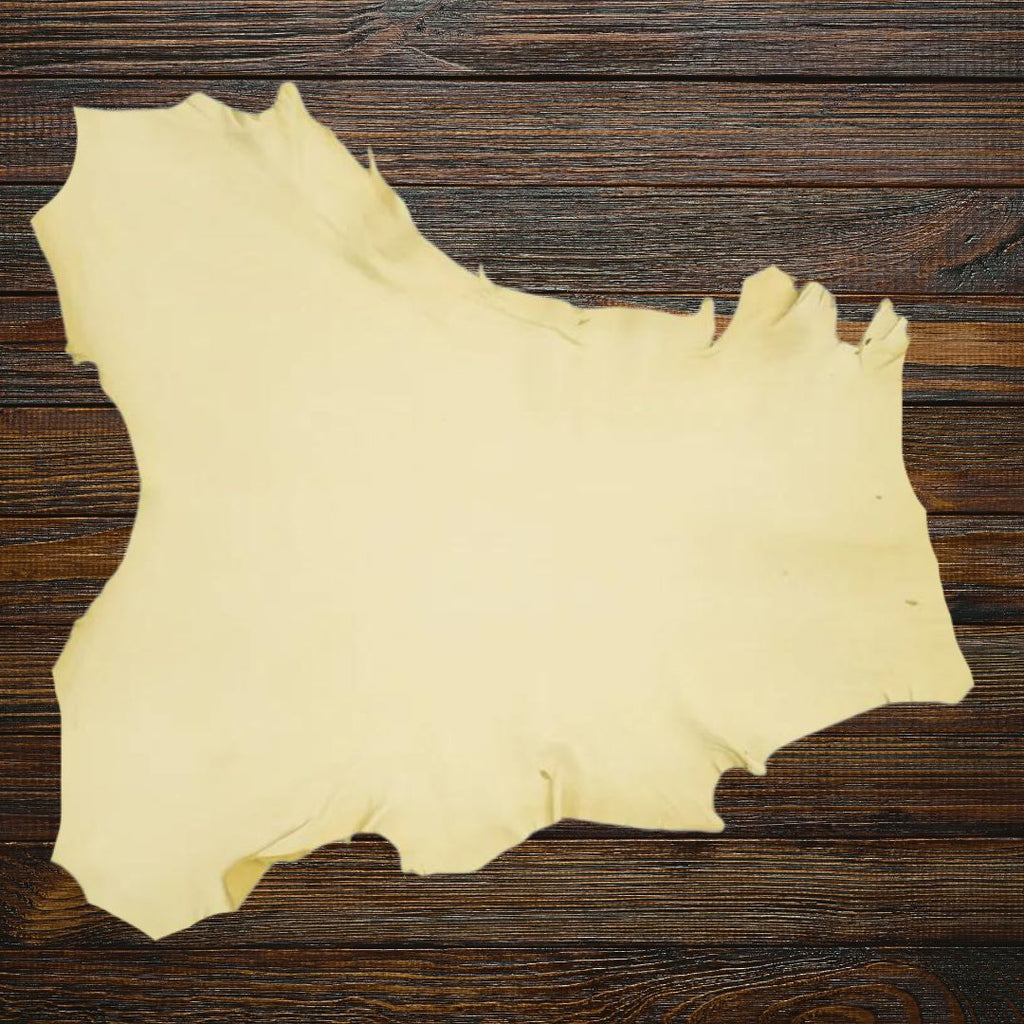
How Deerskin Leather Is Made (Tanning Methods)
The quality and feel of deerskin leather depends heavily on the tanning method used. There are four primary methods:
Brain Tanning (Traditional Method)
Brain tanning is one of the oldest leather-making methods, deeply rooted in Native American tradition. The deer's own brain which contains natural emulsifying agents is used to treat the hide. The leather is then wood-smoked, which imparts a honey-brown color, a distinctive smoky aroma, and natural waterproofing properties. Brain-tanned deerskin remains soft even when wet — a rare quality in leather.
Brain-tanned deerskin is still used today for traditional clothing, cultural artifacts, and specialty craft items.
Commercial Brain Tanning
Modern tanneries have adapted the traditional brain-tanning process using contemporary equipment. The result preserves the unique characteristics of brain-tanned leather — softness, flexibility, water resistance — while significantly reducing production time. This makes commercially brain-tanned deerskin more widely available at scale.
Chrome Tanning
Chrome tanning uses chromium salts instead of organic materials, producing a consistent, versatile leather faster than traditional methods. Chrome-tanned deerskin offers a broader range of colors — including blacks, deep browns, and whites — and is excellent for garments, gloves, and fashion accessories. It lacks the smoky scent of brain-tanned leather but retains the softness and workability deerskin is known for.
Hair-On Hides
Hair-on deerskin hides are tanned with the natural hair left intact. Each hide has a unique, rustic texture and appearance. Although the hair can be more brittle than the leather itself, hair-on deerskin is widely used for decorative purposes: wall hangings, rugs, cabin décor, and accessories where natural aesthetics are valued.
Rawhide
Rawhide is the most unprocessed form of deerskin — the hide is simply dried without full tanning. It is stiff when dry but can be wet-molded into shape. Rawhide is used for drumheads, laces, sheaths, and specialty craft applications that require a rigid, moldable material.
Key Characteristics of Deerskin Leather
Here is what makes deerskin leather stand out from other hides:
Softness and Flexibility
Deerskin is renowned for its buttery softness — it often requires no break-in period at all. The fiber structure of deer hide is finer and more loosely woven than cowskin, giving it natural elasticity and a feel that molds to the body immediately. Items like deerskin gloves and jackets feel comfortable from day one.
Durability
Despite its soft hand-feel, deerskin leather is impressively durable. The compact fiber structure resists cracking and tearing under regular use. With proper care, deerskin goods — gloves, wallets, bags — last for decades. The material only becomes softer with age, not weaker.
Breathability
Deerskin is naturally breathable. Air passes through the material, regulating temperature and moisture — which is why deerskin gloves and footwear remain comfortable in both warm and cold conditions. This breathability also makes deerskin garments less prone to the sweating issues common with synthetic materials.
Natural Grain and Texture
Each deerskin hide carries a distinctive grain pattern formed by the deer's hair follicles. This natural texture gives deerskin products a subtle, matte elegance that is different from the more pronounced grain of cowhide. Natural imperfections — small marks from the animal's life — add character and confirm authenticity.
Is Deerskin Leather Good? Honest Assessment
Yes — deerskin leather is an excellent material, particularly for applications that require softness combined with durability. Here is an honest breakdown:
|
Strengths |
Limitations |
|
Exceptionally soft from first use |
More expensive than cowhide per square foot |
|
Durable — resists cracking and tearing |
Availability is lower than cow hides or lambskin |
|
Naturally breathable in all climates |
Hair-on hides have brittle hair over time |
|
Molds to wearer's shape without losing form |
Requires specific leather care products |
|
Water-resistant (especially brain-tanned) |
Not suitable for heavy abrasion uses (e.g., saddlery) |
|
Improves with age — softens further |
— |
Bottom line: If you are crafting gloves, garments, soft bags, wallets, or luxury accessories — deerskin leather is one of the best choices available. If you need heavy-duty upholstery or saddle leather, look at full-grain cowhide instead.
Common Uses of Deer Hide
The unique combination of softness and durability makes deerskin leather suitable for a wide range of applications:
Gloves and Garments
Deerskin is the traditional material for high-quality work gloves, dress gloves, and hunting gloves. Its natural grip, softness, and breathability make it ideal for hand protection that does not sacrifice feel. Deerskin jackets and vests are also prized for their lightweight warmth and elegant texture.
Bags, Wallets, and Accessories
The durability and fine grain of deerskin make it a top choice for wallets, small bags, belts, and watch straps. Deerskin holds its shape under daily use and develops a rich patina over time.
Footwear — Moccasins, Boots, and Shoes
Deerskin has been used for moccasins for centuries. Its flexibility and immediate comfort make it ideal for footwear that needs to conform to the foot without a long break-in period. Dress shoes and loafers in napa deerskin are prized for their lightweight feel.
Decorative and Hair-On Uses
Hair-on deerskin hides are popular for wall décor, cabin furnishings, throw rugs, and handcrafted clothing accessories. Each hide is unique in its spot pattern and size.
Rawhide Applications
Deerskin rawhide is used for drumheads, lacing, knife sheaths, lantern shades, and other craft applications where a stiff yet moldable material is required.
Deerskin vs Cowhide vs Lambskin — How It Compares
|
Property |
Deerskin |
Cowhide |
Lambskin |
|
Softness |
Exceptional |
Moderate |
Very High |
|
Durability |
Very High |
High |
Moderate |
|
Breathability |
Excellent |
Low-Moderate |
Good |
|
Weight |
Lightweight |
Heavier |
Lightweight |
|
Best For |
Gloves, garments, bags |
Upholstery, belts, shoes |
Jackets, luxury fashion |
|
Price (relative) |
High |
Moderate |
High |
|
Water Resistance |
Good (esp. brain-tanned) |
Moderate |
Low |
Key takeaway: Deerskin outperforms cowhide in softness and breathability. It matches lambskin in luxury feel but surpasses it in durability — making it the better long-term investment for wearable leather goods.
Points to Consider Before Buying Deer Leather Hides
When selecting deer leather for your project, keep these factors in mind:
-
Grain quality — Full-grain deerskin retains the natural surface of the hide and is the highest quality. Corrected-grain is sanded and has less character but more uniformity.
-
Tanning method — Brain-tanned for traditional projects and waterproof softness; chrome-tanned for color variety and modern applications.
-
Thickness — For gloves and garments: 1.5–2.5 oz (0.6–1mm). For bags and wallets: 2–3 oz. Heavier is not always better for deerskin — the softness is the value.
-
Hide size — Deerskin hides are smaller than cowskin. A full whitetail hide typically runs 8–15 square feet. Plan your project cutting accordingly.
-
Grade — Grade #1 has no holes in the center and minimal blemishes. Grade #3 is craft quality with more imperfections. Choose grade based on your project's visual requirements.
-
Source — Look for ethically sourced, North American whitetail deerskin hides for consistent quality and traceability.
How to Care for Deerskin Leather
With proper care, deerskin leather goods last for decades:
-
Clean gently — wipe with a soft, slightly damp cloth. Do not soak or submerge in water.
-
Condition regularly — use a leather conditioner formulated for soft leathers every 3–6 months to maintain suppleness.
-
Dry naturally — if wet, allow to air-dry away from heat sources. Never use a hair dryer or place near radiators.
-
Store correctly — store in a cool, dry location. Use cedar shoe trees for footwear, and stuff bags lightly to maintain shape.
-
Avoid prolonged sun exposure — UV light fades natural leather color over time.
Brain-tanned deerskin is naturally more water-resistant than chrome-tanned. For chrome-tanned deerskin, apply a waterproofing spray as an additional protective layer.
Buy Deerskin Leather Hides at Leather Hub
Leather Hub stocks premium deerskin leather hides — carefully selected for softness, grain quality, and durability. Whether you need brain-tanned buckskin for traditional crafts or chrome-tanned deerskin for modern garment work, we have the right hide for your project.
We offer:
-
Full deerskin hides in multiple grades (#1 and craft quality)
-
Brain-tanned and chrome-tanned options
-
Hair-on deerskin hides for decorative use
-
Custom orders for specific thickness, size, or finish requirements
-
Wholesale pricing for bulk orders
Browse our deerskin leather collection at eleatherhub.com or contact us via email or social media for custom orders.
Frequently Asked Questions
What is deer skin called?
Deerskin leather is most commonly called buckskin — especially when brain-tanned using traditional methods. Other names include deer hide (the raw, untanned skin), napa deerskin (a soft chrome-tanned variety), and deerhide. All refer to leather or hide derived from deer.
Is deerskin leather durable?
Yes. Despite its soft, supple feel, deerskin leather is impressively durable. Its fiber structure resists cracking and tearing under regular use. With proper care, deerskin gloves, wallets, and garments last for decades — and the material becomes softer, not weaker, as it ages.
Is deer leather good for gloves?
Deerskin is arguably the best leather for gloves. It offers exceptional grip, immediate comfort without break-in, natural breathability, and durability that outlasts synthetic alternatives. It is the traditional material for work gloves, hunting gloves, and dress gloves worldwide.
What is deer tanned cowhide?
Deer tanned cowhide is cowhide that has been tanned using a process designed to mimic the softness and feel of deerskin leather. It is not made from deer — it is standard cowhide leather processed with specific oils and methods to achieve a softer, more pliable result similar to buckskin. It is a cost-effective alternative to genuine deerskin for applications where softness is a priority.
How long does deerskin leather last?
With proper care, deerskin leather goods can last 20–30 years or more. Brain-tanned deerskin is particularly long-lasting due to its natural water resistance. Chrome-tanned deerskin also has excellent longevity when conditioned regularly and stored correctly.
Is deerskin leather waterproof?
Deerskin leather is water-resistant — not fully waterproof. Brain-tanned deerskin offers significantly better water resistance than chrome-tanned, as the smoking process during brain tanning closes the pores of the hide. For additional protection, apply a leather waterproofing spray to chrome-tanned deerskin.